


A Guide to Pasture Renovation Seeding
A pasture that looks thin from the gate usually looks worse once you walk it. You see the gaps, weed pressure, tired species, pugging damage and the spots machinery never seems to reach properly. This guide to pasture renovation seeding is for landowners and pasture managers who want better establishment, better feed quality and a more workable plan - especially where terrain, access or timing make conventional methods harder than they should be.
What pasture renovation seeding is really trying to fix
Pasture renovation is not just about putting more seed on the ground. It is about correcting a pasture that is no longer performing for the stock system, soil conditions or seasonal pressure on the property.
In Bay of Plenty and Waikato conditions, that often means a paddock has drifted away from its intended mix. Productive grasses may have thinned out, clover content may have dropped, and weeds or low-value species may have filled the space. In other cases, the issue is physical rather than botanical. Steep faces, wet gullies, compacted gateways or awkward blocks can make it difficult to get seed, fertiliser or spray where it needs to go at the right time.
That matters because pasture performance is cumulative. A poor strike or patchy cover does not just affect the next few weeks. It affects grazing pressure, weed competition, feed planning and the cost of rework.
Guide to pasture renovation seeding: start with the paddock, not the seed bag
The best seeding plans begin with an honest assessment of why the pasture failed or underperformed. If that step is skipped, the same problems often return.
Start by looking at ground cover, species composition, drainage, compaction and weed burden. Check whether the block is suitable for direct drilling, oversowing or a full renovation. On some country, especially steep or broken ground, full cultivation is not practical or safe. In those cases, aerial seeding can be the more efficient option because it removes machinery access limits and reduces the risk of further damage.
Soil fertility also needs attention early. There is little value in spending on seed if phosphate, sulphur, potassium or pH are limiting establishment. The same goes for grazing management. New seedlings need protection during establishment, and if stock pressure returns too early, even a good sowing job can be set back fast.
The practical point is simple: seeding is one part of a wider renovation job. Weed control, soil condition, fertility and follow-up grazing all affect the result.
Timing matters more than most people think
Good timing saves money because it gives the seed a better chance from day one. Poor timing usually means slower establishment, lower strike rates and more pressure from weeds or moisture stress.
Autumn is often the preferred window for pasture renovation seeding in many New Zealand systems because soil moisture is usually improving while temperatures remain warm enough for germination. Spring can also work well, particularly where winter conditions are hard on young plants, but spring sowing can run into early summer dry spells if the season turns.
There is no single ideal date for every farm. It depends on rainfall pattern, soil type, altitude, grazing demand and how quickly the paddock can be taken out of rotation. A free-draining north-facing block may need a different approach from a heavier paddock that holds moisture and stays cooler.
Where access is difficult, timing becomes even more critical. If the job relies on ground equipment and the window closes due to wet conditions, the whole renovation can be delayed. Aerial application gives more flexibility in narrow weather windows and can help get seed onto steep or inaccessible country without waiting for the paddock to be trafficable.
Choosing the right establishment method
There is no point pretending every pasture should be renovated the same way. The right method depends on terrain, existing cover, budget and how much correction is required.
Full cultivation can produce an excellent seedbed, but it is not always realistic on hill country, broken land or wet ground. It also comes with higher labour, machinery and soil disturbance costs. Direct drilling reduces disturbance and can be very effective where the existing sward has been controlled properly and the ground is accessible.
Oversowing has a place when the goal is to lift pasture quality or fill gaps without a complete reset. It is especially useful on country where mechanical access is limited, erosion risk is a concern, or the cost of full cultivation does not stack up. The trade-off is that oversown seed is competing with the existing pasture and needs very good timing, grazing control and seed-to-soil contact to perform well.
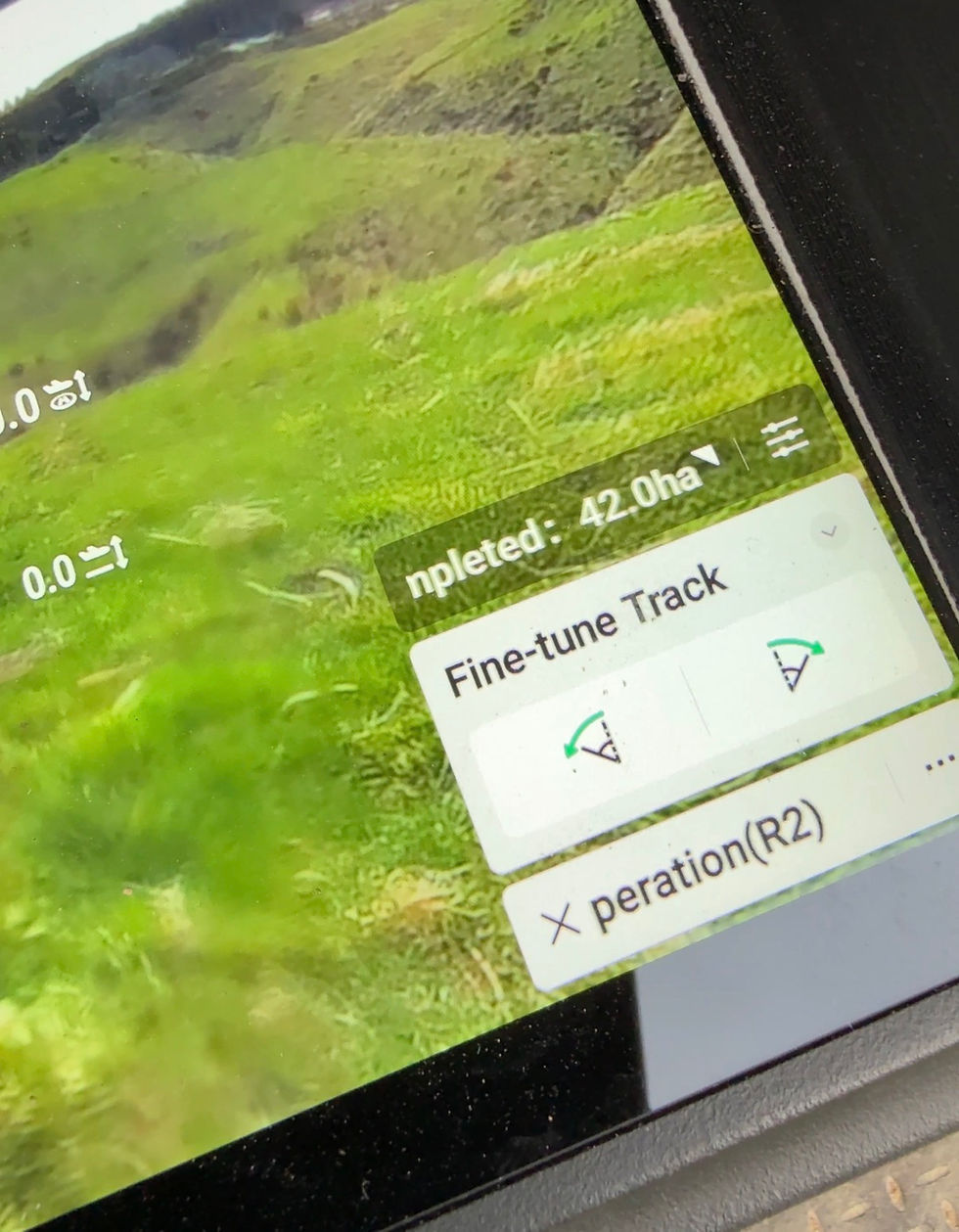
This is where drone-based aerial seeding can be a strong operational fit. On steep blocks, around gullies, over soft ground or in paddocks where machinery access is slow and inefficient, drones can place seed accurately and quickly. That can save time, reduce site damage and make small or awkward jobs more practical to complete properly.
Species selection should match the job
A new pasture mix should suit the land and the production target, not just follow habit. Productive species on an easy flat paddock may not be the right answer for a harder hill block exposed to dry periods or lighter fertility.
Ryegrass and clover remain common choices because they perform well in many systems, but they are not the only option. Some blocks may benefit from more persistent species, seasonal balance from other grasses, or a legume component better suited to local conditions. Seed size, sowing rate and competitive ability also matter, especially when oversowing into existing cover.
The key question is what the pasture needs to do. Is it primarily for dairy support, sheep and beef finishing, general grazing, erosion control or recovery after weed suppression? A seed mix that looks strong on paper can still disappoint if it does not suit the block or if the management after sowing cannot support it.
Weed control and seedbed preparation are where results are won
Most failed renovations are not really seed failures. They are preparation failures.
If weeds, thatch or weak residual pasture are left unchecked, seedlings are forced to compete from the start. Broadleaf weeds, rushes, old browntop and low-value grasses can all cut establishment rates and leave the new pasture patchy. In many cases, targeted spraying before seeding is one of the highest-value steps in the whole job.
Preparation does not always mean a perfect cultivated seedbed. On aerial jobs, it may mean suppressing existing cover enough to open the canopy, managing grazing pressure tightly, and applying seed when soil moisture is favourable. The goal is the same either way: reduce competition and give the seed the best possible contact with the soil.
Precision matters here. Accurate application rates and controlled placement help avoid waste and improve coverage across variable terrain. That is one reason more landowners are looking at UAV-based spreading and spraying for renovation work on difficult country.
After seeding, management decides the return
Once the seed is down, the job is only half done. Early grazing decisions have a direct effect on plant survival and long-term pasture density.
New seedlings need time to anchor and develop. Grazing too early can pull plants out or weaken them before they establish properly. Leaving them too long can also create issues if the sward gets rank and shades out slower seedlings. The right timing depends on growth rate, species and seasonal conditions, so paddocks need to be checked rather than managed by the calendar alone.
Follow-up fertiliser may also be required, particularly where soil testing showed deficiencies before sowing. If the renovated area is on steep ground or inaccessible country, aerial spreading can make that follow-up faster and more consistent than trying to wait for a machine opportunity that may not come when needed.
When aerial seeding makes the most sense
Aerial pasture renovation seeding is not just for extreme hill country. It is often the practical answer anywhere access, safety or turnaround are limiting the job.
It makes sense on steep faces, broken terrain, soft underfoot paddocks, remote blocks and areas where repeated tractor passes are inefficient or risky. It can also suit smaller or fragmented areas that are expensive to reach with larger machinery. For landowners managing multiple problem spots across a property, that flexibility matters.
Just as important, aerial work can reduce operator exposure and cut down unnecessary ground traffic. Done well, it is a precise, safe and cost-effective way to support renovation without forcing the paddock to suit the machine.
A good renovation plan is not about using the latest method for the sake of it. It is about choosing the most effective option for the land in front of you. If a block is hard to access, timing is tight, or conventional gear is likely to do more harm than good, a modern aerial approach can be the difference between postponing the job and getting it done properly. That is usually where better pasture starts.


Comments